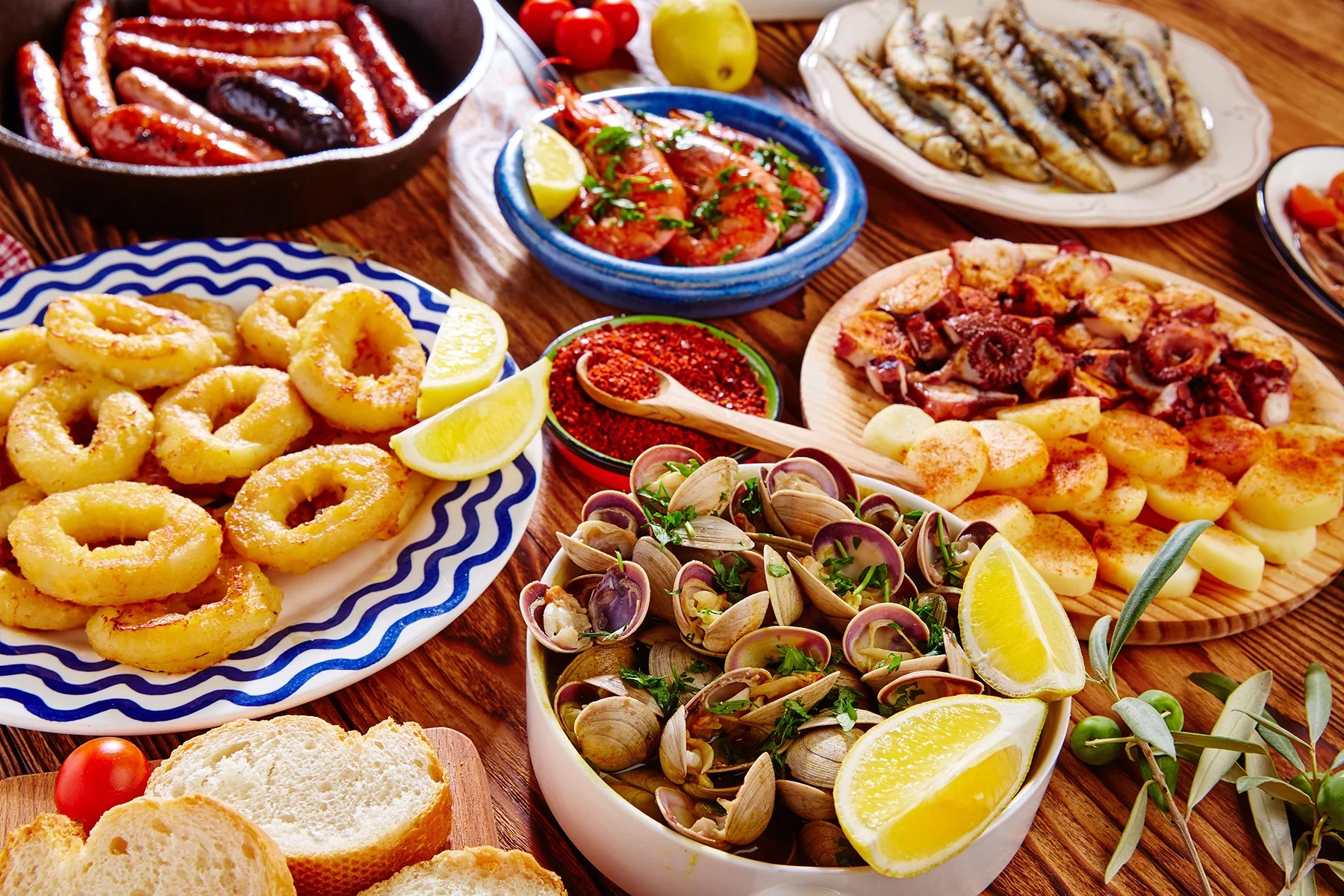
If you’ve ever chased the sunset along the Costa del Sol or wandered the whitewashed streets of a hilltop pueblo, you know Andalusia isn’t just a place—it’s a feeling. And that feeling hits hardest through its food. Here, every bite tells a story of sun-ripened tomatoes, briny sea air, and the kind of simple ingredients that make you wonder why you ever bothered with fancy sauces back home.
Andalusia’s eight provinces stretch from the rugged Sierra Nevada to the Atlantic waves crashing on Cádiz’s shores, and each one brings its own twist to the table. This isn’t the flashy paella of Valencia or the heavy stews of the north. No, Andalusian cuisine is light, bold, and unapologetically tied to the land and sea. Think fresh catches fried to a whisper-crisp, cold soups that cool you from the inside out, and meats slow-cooked until they melt like butter.
What makes it so special? It’s the legacy of centuries—Romans with their olive groves, Moors adding almonds and spices, and locals turning scarcity into genius. I’ve chased these flavors from Huelva’s fishing ports to Almería’s arid fields, and let me tell you: once you taste them, you’ll crave that first sip of fino sherry to wash it all down.
In this guide, we’re diving into eight typical dishes, one from each province. These aren’t tourist traps—they’re the real deal, the kind grandmas still make on Sundays. Whether you’re planning a trip or just dreaming of one from your kitchen, these recipes will transport you straight to southern Spain.
The Essence of Andalusian Cuisine
Andalusia’s food is all about balance: the sharp tang of sherry vinegar cutting through rich olive oil, the crunch of fried fish against soft, garlicky bread. It’s born from a region that’s both bountiful and tough—endless olive trees in Jaén, tuna runs off Cádiz, and mountain herbs in Granada.
Locals eat with their hands, share plates in noisy bars, and argue over whose gazpacho is best. It’s social, it’s seasonal, and it’s fiercely proud.
A Culinary Legacy Shaped by History
Long before flamenco filled the air, the Moors ruled Al-Andalus for nearly 800 years, bringing irrigation, almonds, and a love for saffron that still perfumes kitchens today. Romans planted the vines for sherry, and later, New World tomatoes turned cold soups into legends.
This mix created a cuisine that’s as layered as the Alhambra’s tiles—simple on the surface, complex underneath.
8 Must-Try Dishes, One from Each Province
To truly get Andalusia, you need to eat your way across its provinces. These eight dishes capture the soul of each: from seafood-packed Huelva to the hearty stews of inland Jaén. I’ve included easy home recipes so you can recreate the magic.
1. Albóndigas de Choco from Huelva: The Fisherman’s Secret Weapon
Huelva’s coast is a seafood lover’s paradise, and these cuttlefish meatballs are its crowning glory. Bite into one, and you’ll get tender, briny choco (cuttlefish) wrapped in a garlicky, herby hug—nothing like the heavy Italian versions.
I still remember my first plate in a tiny chiringuito near Punta Umbría. The sun was setting over the Atlantic, and these little orbs arrived sizzling, dunked in a tomato sauce that had simmered all day. It was love at first crunch.
The Story Behind the Dish
Huelva’s fishermen have been turning the day’s catch into these since forever. Choco—those funky, ink-filled cephalopods—are abundant here, and locals waste nothing. The dish screams “Atlantic freshness” with a Moorish nod to spices.
It’s a staple at Carnival and beach bars, where it’s paired with ice-cold beer.
What Makes It Special
The magic is in the texture: chewy yet light, thanks to breadcrumbs and egg binding the minced choco. A simple sofrito sauce elevates it from snack to star.
Pros: Incredibly fresh, gluten-light (use chickpea flour), and kid-approved if you skip the heat.
Cons: Fresh cuttlefish can be tricky to find—squid works in a pinch.
Simple Recipe to Try at Home
- Ingredients (serves 4): 500g fresh cuttlefish or squid, 1 onion, 2 garlic cloves, handful parsley, 1 egg, 100g breadcrumbs, salt, pepper, flour for dusting, olive oil. For sauce: 1 onion, 2 garlic, 400g tomatoes, bay leaf, splash white wine.
- Mince the cuttlefish finely with onion, garlic, and parsley.
- Mix in egg, breadcrumbs, salt, and pepper. Form into small balls.
- Dust with flour and fry in hot olive oil until golden.
- For the sauce, sauté onion and garlic, add tomatoes and wine, simmer 20 minutes.
- Add meatballs and cook 10 more minutes.
Serve with fries or crusty bread—pure bliss.
Best Places to Savor It
Head to Casa Luciano in Huelva or any beachside spot in Isla Cristina. In summer, it’s everywhere.
2. Huevos a la Flamenca from Seville: Eggs That Dance on Your Plate
Seville’s bars buzz with this baked egg dish—tomatoey, smoky, and topped with a runny yolk that ties everything together. It’s like shakshuka’s fiery Spanish cousin, but with chorizo kick and ham bits.
Picture cracking into it at 1am after a night of sevillanas dancing. The flavors explode: sweet peas, spicy sausage, and that perfect egg.
The Story Behind the Dish
Named for the flamenco flair of its colors—red tomatoes, green peas, golden eggs—it’s a Seville classic from the 19th century. Born in working-class kitchens, it now graces tapas menus citywide.
What Makes It Special
The sofrito base is everything: slow-cooked peppers and tomatoes with paprika. Topped with serrano ham, it’s hearty yet light.
Comparison to similar: Unlike Italian uova al sugo, this has Spanish soul—sherry vinegar and chorizo.
Simple Recipe to Try at Home
- Ingredients (serves 4): 4 eggs, 1 onion, 2 garlic, 1 red pepper, 400g tomatoes, 100g chorizo, 100g peas, 50g serrano ham, olive oil, paprika.
- Sauté onion, garlic, and pepper.
- Add tomatoes, paprika, simmer 15 minutes.
- Stir in chorizo and peas.
- Divide into ramekins, crack an egg on top, bake at 180°C for 10 minutes.
- Finish with ham.
Best Places to Savor It
Bar Alfalfa or El Rinconcillo in Seville—order it with a glass of manzanilla.
3. Flamenquín Cordobés from Córdoba: The Golden Roll of the Mezquita
Córdoba’s flamenquín is a pork loin roulade stuffed with ham and cheese, breaded and fried to perfection. It’s crispy outside, juicy inside—a carnival in your mouth.
I tried it near the Mezquita during Feria, and the crunch against the melt? Chef’s kiss.
The Story Behind the Dish
From Bujalance, it’s named for “flamenco” (Flemish) soldiers who ate similar rolls. Now, it’s Córdoba’s pride, often with fries and alioli.
What Makes It Special
Pork loin pounded thin, layered with jamón and queso, then fried in olive oil.
| Flamenquín vs. Similar Rolls | Flamenquín | Italian Involtini |
|---|---|---|
| Filling | Ham, cheese | Veggies, herbs |
| Coating | Breadcrumbs | Flour only |
| Serve | Fried hot | Baked |
Simple Recipe to Try at Home
- Pound 4 pork fillets thin.
- Layer ham and cheese.
- Roll, secure with toothpicks.
- Flour, egg, breadcrumb.
- Fry in olive oil 5 minutes per side.
Best Places to Savor It
Taberna Salinas in Córdoba—washed down with Montilla wine.
4. Galianos from Jaén: The Shepherd’s Stew That Warms the Soul
Jaén’s mountains breed tough folks, and galianos is their fuel: a hearty stew of game meat, torta de pastor (flatbread), and aromatics.
On a chilly hike in the Sierra de Cazorla, this hit the spot like nothing else.
The Story Behind the Dish
Shepherds made it during transhumance—long treks with rabbits or hare. The “galiana” path gives it its name.
What Makes It Special
The torta soaks up the broth, turning into pillowy bites.
Simple Recipe to Try at Home
- Brown rabbit or chicken.
- Add sofrito: onion, garlic, tomatoes, bay.
- Simmer with water, add broken torta.
- Cook until tender.
Best Places to Savor It
Rural inns in Jaén’s sierra.
5. Tortillitas de Camarones from Cádiz: Crispy Bites from the Bay
Cádiz’s shrimp fritters are lacy, golden, and bursting with tiny camarones. No eggs—just chickpea flour magic.
Eaten by the sea in San Fernando, they’re addictive.
The Story Behind the Dish
From San Fernando, they’re Carnival stars.
What Makes It Special
The batter’s crisp from hot oil, shrimp shells add crunch.
Simple Recipe to Try at Home
- Mix chickpea and wheat flour, onion, parsley, water.
- Chill 30 min.
- Stir in shrimp.
- Fry spoonfuls.
Best Places to Savor It
Casa Balbino in Sanlúcar.
6. Ajoblanco from Málaga: The White Gazpacho That Refreshes
Málaga’s chilled almond soup is creamy, garlicky, and topped with grapes.
Sipped in Almáchar during harvest, it’s pure summer.
The Story Behind the Dish
Pre-dates tomato gazpacho, from Roman times.
What Makes It Special
Blended almonds and bread, with vinegar brightness.
Simple Recipe to Try at Home
- Soak almonds and bread.
- Blend with garlic, oil, water, vinegar.
- Chill, garnish grapes.
Best Places to Savor It
Any Málaga chiringuito.
7. Habas con Jamón from Granada: Spring’s Green Treasure
Granada’s broad beans with ham are tender, salty, and quick.
Fresh from the Vega in April, paired with eggs.
The Story Behind the Dish
Simple campo fare, now a tapas hero.
What Makes It Special
The ham’s fat melts into the beans.
Simple Recipe to Try at Home
- Sauté onion, garlic, ham.
- Add beans, white wine.
- Simmer 10 min.
Best Places to Savor It
Near the Alhambra.
8. Patatas a lo Pobre from Almería: Humble Potatoes, Heroic Flavor
Almería’s “poor man’s potatoes” are confit-style slices with peppers and onions.
Cooked in olive oil till silky.
The Story Behind the Dish
From famine times, now a staple side.
What Makes It Special
Slow-cooked in EVOO for melt-in-mouth texture.
Simple Recipe to Try at Home
- Slice potatoes thin.
- Sauté with onion, peppers, garlic.
- Cover, cook low 20 min.
Best Places to Savor It
Almería’s inland villages.
People Also Ask About Andalusian Cuisine
What is the most famous dish in Andalusia?
Gazpacho takes the crown, but these eight show the depth.
Is Andalusian food spicy?
Mildly—paprika and garlic rule, not chiles.
What are tapas like in Andalusia?
Free with drinks in some spots, always fresh and shareable.
Can I make these dishes vegetarian?
Absolutely—swap meats for mushrooms or tofu.
Frequently Asked Questions
What’s the best time to visit for these dishes?
Spring for beans, summer for cold soups.
Where to buy ingredients in the US?
Specialty shops for jamón and choco.
How do I pair wines?
Fino with seafood, red for stews.
Are these dishes healthy?
Yes—olive oil, fresh produce, lean proteins.
Andalusia’s table is waiting. Grab a fork, and dive in.