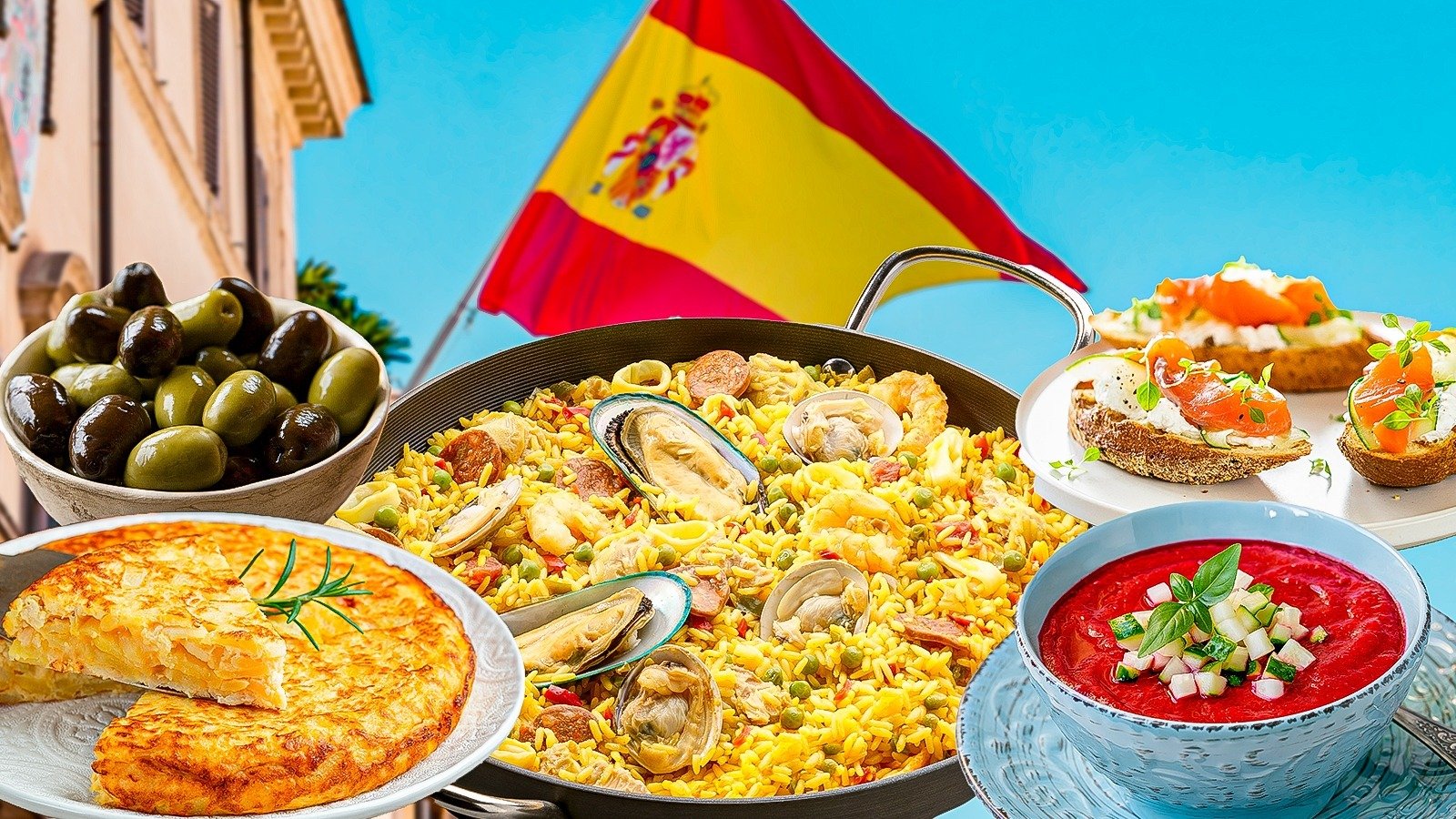
The sun-baked streets of Seville hum with life as locals hop from bar to bar, plate in one hand, cold cerveza in the other. That’s Andalusia for you—where food isn’t just sustenance; it’s a social ritual, a celebration of history, and a love letter to simple, bold ingredients. I’ve wandered these regions multiple times, from the coastal fried-fish stands in Cádiz to the mountain ham curers in Huelva, and each bite tells a story of Moorish spices, Roman soups, and hardworking farmers pulling the best from olive groves and sea.
Andalusia’s cuisine draws from its geography: endless olive oil from Jaén, fresh seafood along the Costa del Sol, hearty meats from inland hills, and a sweet tooth shaped by centuries of almond and honey traditions. The result? A mix that’s refreshing in summer heat and comforting when nights cool down. Here are 30 Andalusian food favorites that capture the essence of southern Spain. I’ve grouped them loosely by type, with notes on origins, flavors, and why they stick with you.
Iconic Cold Soups and Starters
These chilled bowls are lifesavers in Andalusia’s scorching summers.
1. Gazpacho
The king of cold soups, made from ripe tomatoes, cucumber, green pepper, garlic, olive oil, and sherry vinegar, blended smooth and served ice-cold. Born in Andalusia as a humble worker’s refresher, it’s now global but never better than here—with extra virgin oil from local groves.
2. Salmorejo
Córdoba’s thicker, creamier cousin to gazpacho, thickened with bread crumbs and topped with chopped jamón ibérico and hard-boiled egg. One spoonful in a tiny plaza bar, and the richness hits you—comfort in a bowl even on hot days.
3. Ajoblanco
Málaga’s almond-based white gazpacho, blending garlic, bread, almonds, olive oil, and vinegar. Chilled and nutty, it’s surprisingly refreshing and shows the Moorish legacy of almonds in every bite.
4. Porra Antequerana
A hearty variant from Antequera, thicker than salmorejo with added tuna or ham. It’s rustic, filling, and perfect when you need something substantial.
Fried Seafood Delights (Pescaíto Frito)
Andalusia’s coast turns fresh catch into crispy magic.
5. Pescaíto Frito
Mixed fried fish—anchovies, squid, whiting—lightly battered and fried in olive oil. Eaten piping hot with lemon and a view of the sea, it’s simple perfection.
6. Boquerones Fritos
Crispy fried anchovies, often marinated in vinegar first (en vinagre style too). Light, salty, addictive—pair with a cold manzanilla sherry.
7. Tortillitas de Camarones
Cádiz shrimp fritters, thin and lacy with chickpea flour. Crunchy outside, tender shrimp inside—street food heaven.
8. Gambas al Pil Pil
Prawns sizzling in garlic, chili, and olive oil. The sauce is everything; mop it up with bread.
9. Espetos de Sardinas
Sardines skewered on reeds and grilled over beach bonfires in Málaga. Smoky, oily, charred—just pure summer.
10. Pulpitos Fritos
Baby octopuses fried crisp. Tender yet crunchy, a tapas bar staple.
Meats and Stews
Slow-cooked wonders that warm you from the inside.
11. Rabo de Toro
Oxtail stew braised in red wine with veggies and herbs. Rich, fall-off-the-bone tender—Córdoba claims it, but it’s loved everywhere.
12. Carrillada Ibérica
Pork cheeks slow-cooked until meltingly soft. Juicy, flavorful, often in sherry sauce.
13. Flamenquín
Córdoba’s pork loin wrapped in ham, breaded, and fried. Like a fancy cordon bleu with Iberian flair.
14. Pinchitos Morunos
Spiced pork skewers with Moorish spices—cumin, coriander, paprika. Grilled and smoky.
15. Albóndigas de Choco
Huelva cuttlefish meatballs in tomato sauce. Seafood twist on classic meatballs.
16. Pringá
Slow-cooked pork and fat shredded into a spread for bread. Decadent, messy, glorious.
Vegetables and Vegetarian Stars
Even meat lovers crave these.
17. Berenjenas con Miel
Fried eggplant drizzled with cane honey or molasses. Sweet-salty contrast from Córdoba—irresistible.
18. Espinacas con Garbanzos
Spinach and chickpeas stewed with garlic, cumin, bread. Moorish roots, hearty and vegan-friendly.
19. Patatas a lo Pobre
Poor man’s potatoes—sliced with onions, green peppers, fried slow in olive oil. Comfort food pure.
20. Alboronía
Vegetable stew with pumpkin, eggplant, tomato—ancient Moorish influence.
Cured Meats and Cheeses
Andalusia’s pride.
21. Jamón Ibérico de Bellota
Acorn-fed Iberian ham from Huelva or Jabugo. Nutty, melt-in-mouth—thin slices are life-changing.
22. Queso Payoyo
Goat cheese from Cádiz mountains. Creamy, tangy—often served with honey.
23. Chorizo and Morcilla
Spicy sausages and blood pudding—grilled or in stews.
Sweets and Desserts
Moorish sweets shine here.
24. Piononos de Santa Fe
Granada’s tiny sponge cakes soaked in syrup, topped with custard. Named after Pope Pius IX.
25. Yemas de San Leandro
Seville egg yolk sweets—rich, custardy orbs dusted in sugar.
26. Pestiños
Honey-drizzled fritters, often anise-flavored for Christmas.
27. Torrijas
Spanish French toast soaked in milk or wine, fried, and sugared—Lent favorite.
28. Churros con Chocolate
Thick hot chocolate with fried dough strips. Breakfast or late-night bliss.
Drinks and Accompaniments
No meal without these.
29. Sherry (Jerez Wines)
Fino, manzanilla, oloroso—from dry to sweet. Perfect with tapas.
30. Tinto de Verano
Red wine with lemon soda—refreshing summer staple.
Comparison: Coastal vs. Inland Favorites
| Aspect | Coastal (e.g., Cádiz, Málaga) | Inland (e.g., Córdoba, Jaén) |
|---|---|---|
| Dominant Ingredients | Fresh seafood, fried fish | Meats, stews, olive oil |
| Signature Dish | Espetos, tortillitas | Salmorejo, rabo de toro |
| Best For | Light, summery meals | Hearty, comforting plates |
| Typical Tapas | Boquerones, gambas | Flamenquín, berenjenas |
Coastal food feels vibrant and quick; inland leans slow-simmered and soulful.
Pros and Cons of Andalusian Cuisine
Pros
- Fresh, seasonal ingredients
- Heavy use of healthy olive oil
- Tapas culture encourages variety and socializing
- Moorish influences add unique spices and sweets
Cons
- Heavy on fried foods (can be greasy if overdone)
- Pork dominates (limited options for some diets)
- Portions in tapas bars add up fast—watch your waistline!
People Also Ask (PAA)
What is typical Andalusian food?
It’s a blend of fresh seafood, olive oil-based dishes, cold soups like gazpacho, cured hams, and Moorish-inspired sweets with almonds and honey.
What is the most famous dish in Andalusia?
Gazpacho or salmorejo often top the list, but jamón ibérico and pescaíto frito are close contenders for iconic status.
Is Andalusian food spicy?
Not overly—mild spices like cumin and paprika appear, but it’s more about garlic, olive oil, and fresh flavors than heat.
What drinks pair with Andalusian tapas?
Sherry (fino or manzanilla), cold beer, tinto de verano, or vermouth.
Where to try authentic Andalusian food?
Seville’s Triana neighborhood for tapas, Córdoba for salmorejo, Málaga beaches for espetos, Huelva for jamón.
FAQ
What makes Andalusian cuisine unique?
Its fusion of Roman, Moorish, and Christian influences—think almonds from North Africa, seafood from the Atlantic/Mediterranean, and Spain’s best olive oil.
Is Andalusian food healthy?
Often yes—lots of veggies, fish, olive oil—but fried tapas and rich stews balance indulgence with freshness.
Can vegetarians eat well in Andalusia?
Absolutely—gazpacho, ajoblanco, espinacas con garbanzos, berenjenas con miel, and many tapas are veggie-friendly.
What’s the best time to enjoy these foods?
Summer for cold soups and beach espetos; winter for hearty stews and Christmas sweets.
How do I order tapas like a local?
Ask for “una ración” (full plate) or “media ración” (half), and share—it’s all about the bar crawl.
Andalusia’s food stays with you long after the trip ends—the tang of sherry, the crunch of fried fish, the melt of jamón. Next time you’re there, skip the menu planning and follow the crowds into the nearest bustling bar. Your taste buds will thank you.