The sun-drenched region of Provence in southern France has always held a special place in my heart. I first visited years ago, wandering the markets in Aix-en-Provence, where the air was thick with the scent of ripe tomatoes, fresh basil, and lavender. Vendors shouted prices for glossy eggplants and buckets of olives, and I remember buying a small jar of tapenade that I ate straight with a baguette on a bench overlooking the countryside. That simple moment captured what Provençal food is all about: fresh, seasonal ingredients treated with respect, bold flavors from garlic, olive oil, and herbes de Provence, and a no-fuss approach that lets the Mediterranean sunshine shine through.
Provençal cuisine draws from the land and sea, blending French traditions with Italian and North African influences from centuries of trade. It’s lighter than northern French cooking—no heavy creams or butter sauces here. Instead, expect vibrant vegetables, seafood, olives, anchovies, and generous amounts of garlic and herbs like thyme, rosemary, oregano, and sometimes a whisper of lavender. Olive oil is the fat of choice, and tomatoes add brightness. Dishes are often rustic, born from peasant kitchens, yet they feel elegant in their simplicity.
Here are 13 classic Provençal recipes that showcase this beautiful style of cooking. I’ve selected ones that represent the region’s essence, from market-fresh salads to hearty stews. Each includes key ingredients, basic steps, and tips drawn from traditional methods.
1. Salade Niçoise
This iconic salad from Nice is a meal in itself, layering fresh and cooked ingredients for a perfect balance of textures and flavors.
It’s built around tuna (traditionally canned in oil), hard-boiled eggs, tomatoes, green beans, potatoes, olives, anchovies, and a simple vinaigrette. No cooked vegetables should be mushy—everything stays crisp.
- Boil potatoes and green beans separately until tender-crisp.
- Arrange on a platter with halved eggs, cherry tomatoes, black olives (Niçoise variety if possible), and flaked tuna.
- Drizzle with olive oil, red wine vinegar, mustard, garlic, and herbes de Provence.
- Top with anchovy fillets for that salty kick.
Pros: Healthy, colorful, make-ahead friendly.
Cons: Can be polarizing if you dislike anchovies—some modern versions skip them.
2. Ratatouille
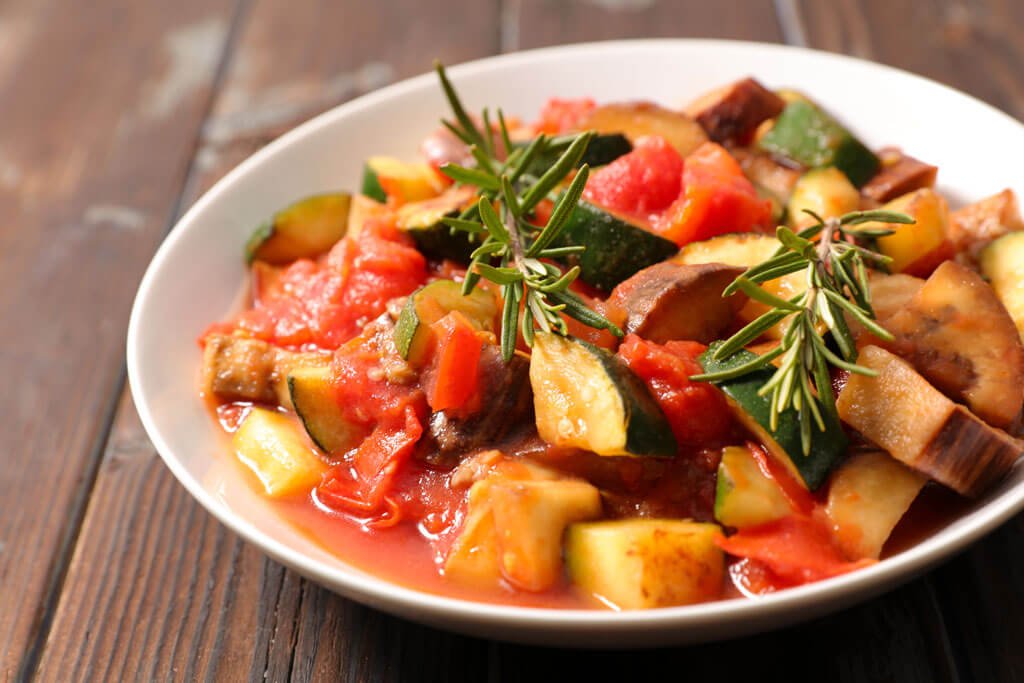
The vegetable stew that became famous worldwide, ratatouille celebrates summer’s bounty without overpowering any single ingredient.
Eggplant, zucchini, bell peppers, onions, tomatoes, garlic, and herbes de Provence simmer slowly in olive oil until meltingly tender.
- Sauté onions and garlic, then add each vegetable in stages to control texture (eggplant first to absorb flavors).
- Simmer covered for 30-45 minutes.
- Finish with fresh basil.
A classic version keeps vegetables chunky; some chefs layer them for visual appeal.
3. Bouillabaisse
Marseille’s famous fish stew is the king of Provençal seafood dishes—complex yet rooted in fishermen’s thrift.
It starts with a saffron-scented broth from fish heads, bones, fennel, leeks, tomatoes, garlic, and orange peel. Add a variety of fish (at least three types like scorpionfish, monkfish, and mullet) and shellfish toward the end.
Serve the broth first over rouille-smeared bread, then the fish.
Rouille (garlicky mayo with red peppers) is essential.
Pros: Impressive for guests.
Cons: Requires fresh seafood and time.
4. Soupe au Pistou
Provence’s answer to minestrone, this summer vegetable soup gets its punch from pistou, a basil-garlic sauce similar to pesto but without pine nuts.
Beans, zucchini, potatoes, tomatoes, pasta, and herbs simmer into a hearty base, then pistou (basil, garlic, olive oil, sometimes Parmesan) is stirred in at the end.
- Use fresh shelling beans if available.
- Add pistou off heat to preserve brightness.
It’s lighter than Italian versions and perfect for garden surpluses.
5. Tapenade
This black olive spread is an aperitif staple—salty, briny, and addictive.
Blend pitted black olives, capers, anchovies, garlic, olive oil, and a splash of lemon or brandy.
Serve on toasted bread or with crudités.
Variations include green olive tapenade or additions like tuna.
6. Pissaladière
A caramelized onion tart from Nice, topped with anchovies and olives—no cheese, keeping it true to tradition.
Slow-cook onions with thyme until golden, spread on bread dough or puff pastry, then arrange anchovies in a lattice and dot with olives.
Bake until crisp.
It’s like a French pizza, sweet from onions and salty from fish.
7. Aïoli
More than a sauce, aïoli is a full meal in Provence—poached cod, vegetables, potatoes, and shellfish served with garlicky mayonnaise.
Make by pounding garlic with salt, then slowly emulsifying olive oil and egg yolk.
The “grand aïoli” platter is a feast.
8. Chicken Provençal (Poulet à la Provençale)
Tender chicken braised with tomatoes, olives, capers, garlic, white wine, and herbes de Provence.
- Brown chicken pieces, then simmer in a tomato-wine sauce with olives.
- Finish with fresh herbs.
One-pan comfort food that’s weeknight-friendly yet tastes special.
9. Daube Provençale
A rich beef stew slow-cooked in red wine with carrots, onions, garlic, orange zest, and herbes de Provence.
Often made in a daubière pot for even cooking.
Serve with polenta or pasta.
It’s hearty winter fare.
10. Tian Provençal
A baked vegetable gratin, layered zucchini, eggplant, tomatoes, and onions in olive oil with garlic and herbs.
No cheese traditionally—just veggies and seasoning.
Slice thinly for even cooking and beautiful presentation.
11. Socca
Nice’s street food chickpea pancake, baked in a wood-fired oven for crispy edges.
Mix chickpea flour, water, olive oil, salt—let rest, then bake hot.
Serve plain or with pepper.
Gluten-free and simple.
12. Pan Bagnat
A sandwich version of salade niçoise—baguette soaked in vinaigrette, filled with tuna, olives, eggs, tomatoes, and veggies.
The name means “wet bread”—the juices soak in for flavor.
Perfect picnic food.
13. Tomatoes à la Provençale
Simple baked tomatoes stuffed with garlic, parsley, breadcrumbs, and olive oil.
Halve tomatoes, top with herby crumbs, bake until caramelized.
A side dish that steals the show.
People Also Ask (PAA)
What is the most famous dish from Provence?
Bouillabaisse often tops the list, but ratatouille and salade niçoise are close contenders for their global fame.
What are typical Provençal ingredients?
Olive oil, garlic, tomatoes, herbes de Provence (thyme, rosemary, oregano), olives, anchovies, eggplant, zucchini, and fresh seafood.
Is ratatouille actually French?
Yes—it’s a traditional Provençal vegetable stew from the Nice area, though popularized by the Pixar movie.
What’s the difference between pistou and pesto?
Pistou skips pine nuts and cheese, focusing on basil, garlic, and olive oil for a lighter, more herbal sauce.
Can I make bouillabaisse at home?
Absolutely—use a mix of affordable fish and shellfish, focus on a flavorful broth with saffron and fennel.
FAQ
What makes Provençal food unique compared to other French regions?
It leans Mediterranean—light, vegetable-forward, olive oil-based, with strong herb and garlic flavors—unlike butter-heavy northern cuisine.
Are these recipes beginner-friendly?
Most are! Ratatouille, salade niçoise, and chicken Provençal require basic skills. Bouillabaisse is more advanced due to fish handling.
Where can I find herbes de Provence?
Grocery stores carry it, or mix your own: thyme, rosemary, oregano, savory, marjoram (lavender optional).
Is Provençal cooking healthy?
Generally yes—lots of veggies, olive oil, lean proteins, and fresh ingredients promote heart-healthy eating.
Best wine pairings?
Rosé from Provence for most dishes; crisp white for seafood; light red for daube or chicken.
These 13 recipes capture the soul of Provence—simple, flavorful, and tied to the land. Try one this weekend; you’ll feel the warmth of the South of France in your kitchen.