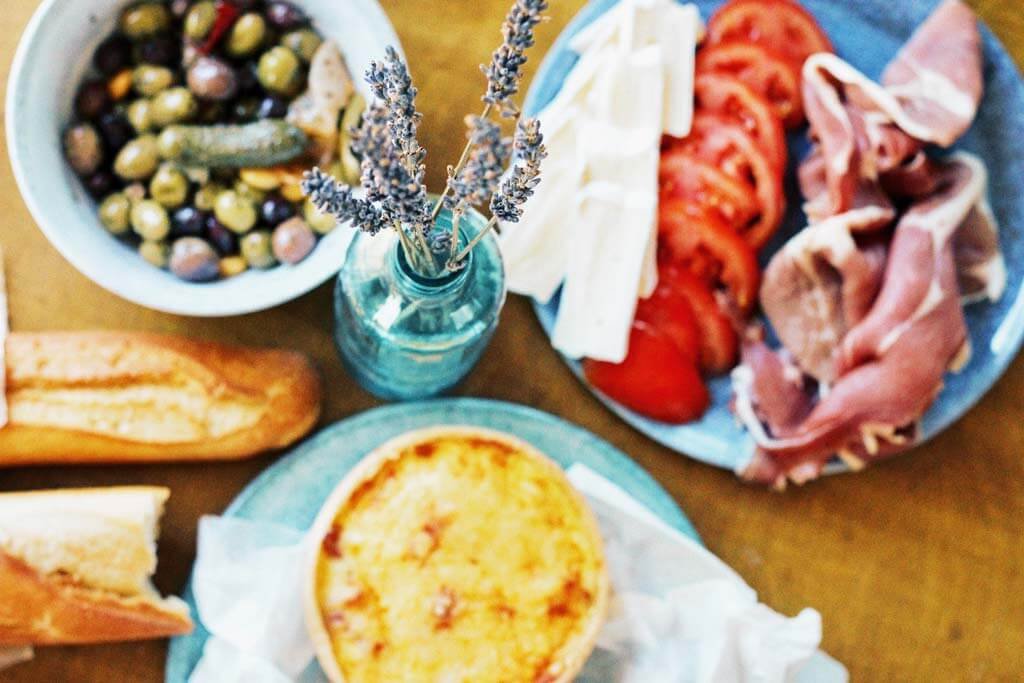
The sun-drenched region of Provence-Alpes-Côte d’Azur, stretching from the lavender fields of the Luberon to the glamorous beaches of the French Riviera, offers one of France’s most vibrant and flavorful cuisines. Provence’s food draws from the Mediterranean: fresh seafood, sun-ripened vegetables, fragrant herbs like thyme and rosemary, abundant olive oil, and garlic in nearly everything. It’s simple yet deeply satisfying, rooted in peasant traditions that celebrate seasonal ingredients over fancy techniques. I’ve wandered markets in Aix-en-Provence and shared bouillabaisse in Marseille harbor-side spots, and each bite feels like a direct connection to the land and sea.
This guide highlights the top 10 foods to try in Provence-Côte d’Azur, blending classics from Marseille to Nice. These aren’t just dishes—they’re stories on a plate.
1. Bouillabaisse
Bouillabaisse stands as the undisputed king of Provençal cuisine, especially in Marseille where it originated as a humble fisherman’s stew using unsellable catch of the day.
This rich seafood soup simmers scorpionfish, red mullet, conger eel, and more with saffron, fennel, tomatoes, onions, and garlic, creating a broth that’s aromatic and slightly spicy. Served with rouille (a garlicky mayo) on toasted bread, it’s a ritual meal best enjoyed slowly with friends. True versions follow strict rules—no lobster or fancy add-ons—and many restaurants require advance orders. The first time I tried it overlooking the Vieux Port, the flavors exploded, reminding me why locals argue passionately over whose version reigns supreme.
2. Ratatouille
Ratatouille embodies the essence of Provençal summer gardens, a vegetable stew that’s far more than the Disney version.
Made with eggplant, zucchini, bell peppers, tomatoes, onions, garlic, and herbes de Provence, it’s slowly cooked in olive oil until the flavors meld into silky harmony. Some chefs layer it elegantly, others keep it rustic. It’s versatile—served hot or cold, as a side, main, or topping for grilled meats. In villages like Gordes, I ate it straight from market stalls, still warm from the vendor’s pot, and it tasted like sunshine captured in a bowl. Perfect for vegetarians, it highlights why Provençal cooking prioritizes fresh, local produce.
3. Salade Niçoise
From Nice on the Côte d’Azur, salade Niçoise is a composed salad that’s fresh, colorful, and fiercely protected by tradition.
The classic includes tomatoes, tuna (often canned in olive oil), hard-boiled eggs, olives (preferably Niçoise), anchovies, green beans, and sometimes artichokes or radishes, all drizzled with olive oil—no vinegar, no potatoes in authentic versions. It’s a light yet satisfying lunch that screams Mediterranean simplicity. I once had one in a tiny Nice bistro where the owner scolded tourists for adding extras; the purity made every ingredient shine. It’s ideal for hot Riviera days.
4. Socca
Socca is street food royalty in Nice, a thin chickpea pancake cooked in massive copper pans in wood-fired ovens.
Made from chickpea flour, water, olive oil, and salt, it’s crispy-edged, soft inside, and seasoned with black pepper. Vendors slice it hot and serve it in paper cones—pure, gluten-free bliss. Walking the old town, the smell pulls you in like a magnet. I devoured one at Cours Saleya market, burning my fingers but not caring; it’s cheap, quick, and utterly addictive.
5. Aïoli
Aïoli isn’t just garlic mayo—it’s a Provençal staple so central it once named a newspaper.
This emulsion of garlic, olive oil, egg yolks, and lemon (or sometimes mustard) accompanies everything from boiled vegetables to fish. On Fridays, “le grand aïoli” is a feast: salt cod, snails, artichokes, potatoes, and more, all dipped in generous spoonfuls. Its punchy flavor wakes up the palate. At a family gathering in Avignon, I watched elders debate the perfect garlic ratio; too much, and it’s overwhelming—too little, and it’s just mayo.
6. Tapenade
Tapenade, a bold olive spread from Provence, packs intense flavor into every bite.
Black olives (Nyons preferred), capers, anchovies, garlic, and olive oil are pounded (or blended) into a coarse paste, sometimes with herbs or lemon. Spread on baguette, stuffed into veggies, or served with aperitifs, it’s versatile and addictive. In markets around Arles, vendors offer tastings that hook you instantly. I once brought jars home and relived lazy afternoons on terraces with every smear.
7. Daube Provençale
Daube is comfort food for cooler evenings, a slow-braised beef stew marinated in red wine with Provençal flair.
Beef simmers for hours with carrots, onions, garlic, tomatoes, orange zest, and herbes de Provence, often including pork rind for richness. The result is tender meat in a deep, aromatic sauce. Winter lunches in hilltop villages feature it with polenta or pasta. My first daube in a cozy restaurant near Bandol paired perfectly with local red wine; it felt like a warm hug from the region.
8. Pissaladière
Pissaladière is Nice’s answer to pizza—an onion tart with anchovies and olives on bread-like dough.
Caramelized onions top the base, crisscrossed with anchovy fillets and dotted with black olives. No tomatoes, no cheese in the traditional recipe. It’s sweet-savory and perfect as a snack or light meal. I grabbed slices from street vendors in Nice, eating them while watching the sea—simple perfection.
9. Tarte Tropézienne
Saint-Tropez gave the world this indulgent brioche sandwich filled with a light, citrusy cream.
Created in the 1950s for Brigitte Bardot, the tarte combines enriched dough with a vanilla-mousse-like filling. It’s sweet but not cloying, often dusted with sugar. On the Côte d’Azur, bakeries display them proudly. One bite in Saint-Tropez, overlooking the harbor, and I understood the hype—it’s Riviera glamour in dessert form.
10. Pastis
Pastis rounds out the list as Provence’s iconic aperitif, an anise-flavored spirit that’s quintessentially southern.
Served with water and ice (turning milky white), it’s refreshing and herbal, often enjoyed on terraces with olives. Brands like Ricard or Pernod dominate, but artisanal versions shine. No meal starts without it in summer. I sipped one in Aix-en-Provence as the afternoon sun faded, chatting with locals—it’s more than a drink; it’s a lifestyle.
Comparison Table: Savory vs. Sweet Highlights
| Dish | Type | Key Ingredients | Best For | Vegetarian? |
|---|---|---|---|---|
| Bouillabaisse | Savory | Seafood, saffron, herbs | Seafood lovers | No |
| Ratatouille | Savory | Vegetables, olive oil | Veggies/healthy meals | Yes |
| Salade Niçoise | Savory | Tuna, olives, eggs | Light lunches | No (adaptable) |
| Socca | Savory | Chickpea flour | Street food/snacks | Yes |
| Tarte Tropézienne | Sweet | Brioche, cream | Desserts | No |
Pros and Cons of Provençal Dining
Pros:
- Fresh, seasonal ingredients bursting with flavor
- Mediterranean diet benefits (heart-healthy olive oil, veggies)
- Affordable street eats alongside upscale options
- Pairing perfection with local rosé wines
Cons:
- Seafood dishes can be pricey in tourist spots
- Some classics (like bouillabaisse) require time or advance planning
- Heavy garlic/onion might not suit everyone
Where to Try These Foods
Head to Marseille for authentic bouillabaisse at spots like Chez Fonfon. Nice’s Cours Saleya market offers socca and pissaladière. Aix-en-Provence markets shine for tapenade and ratatouille ingredients. For Riviera glamour, Saint-Tropez bakeries serve tarte Tropézienne.
People Also Ask
What is the most famous dish in Provence?
Bouillabaisse tops the list as Marseille’s signature seafood stew, beloved worldwide.
What drink is Provence famous for?
Rosé wine leads, but pastis is the classic aperitif.
Is ratatouille really from Provence?
Yes, it’s a traditional Provençal vegetable stew using summer garden produce.
What is a typical Provençal meal like?
Light starters like tapenade, a main like daube or fish, fresh veggies, and pastis or rosé.
Are there vegetarian options in Provençal cuisine?
Plenty—ratatouille, soupe au pistou, socca, and olive-based dishes.
FAQ
What makes Provençal food unique?
It emphasizes olive oil, garlic, fresh herbs, and local produce over heavy creams or sauces, reflecting Mediterranean influences.
Can I find these dishes outside Provence?
Many appear globally, but authenticity shines in the region with freshest ingredients and traditional preparations.
What’s the best time to visit for food?
Summer for markets and festivals, though year-round options abound with seasonal specialties.
Is Provençal cuisine healthy?
Generally yes, with vegetable-forward dishes and olive oil aligning with Mediterranean diet principles.
How spicy is Provençal food?
Mild to moderate—garlic and herbs dominate, with occasional saffron or chili in bouillabaisse.
Provence-Côte d’Azur’s cuisine invites you to slow down, savor, and connect with the place. Whether you’re chasing bouillabaisse in Marseille or sipping pastis on a Nice terrace, these foods capture the region’s soul. Bon appétit—may your plate be as colorful as the Côte d’Azur sunset.