Sardinian cuisine is one of those hidden gems that makes you wonder why it doesn’t get more hype. This rugged Mediterranean island has held onto its food traditions like they’re family heirlooms—simple, hearty, and deeply tied to the land and sea. Unlike the flashy pasta scenes in Rome or the creamy risottos up north, Sardinia’s kitchen feels ancient and honest. It’s shaped by shepherds roaming hills dotted with prehistoric nuraghe towers, fishermen pulling from crystal waters, and generations of women kneading dough in stone kitchens. The result? A cuisine that’s part of the Mediterranean diet UNESCO recognizes for longevity—think Blue Zone vibes where people live to 100 while eating like kings.
What draws me in most is how Sardinian food tells stories of survival and celebration. The island’s isolation preserved recipes that blend Phoenician, Roman, Spanish, and even North African whispers into something uniquely Sardu. Meat-heavy inland, seafood-forward on coasts, always with pane carasau (that impossibly thin bread) as the constant companion. If you’ve ever bitten into something so good it makes you pause and smile, that’s Sardinian cooking.
Here are 10 iconic dishes that capture the island’s gastronomic soul. I’ve picked these based on what locals actually eat and what visitors rave about returning for.
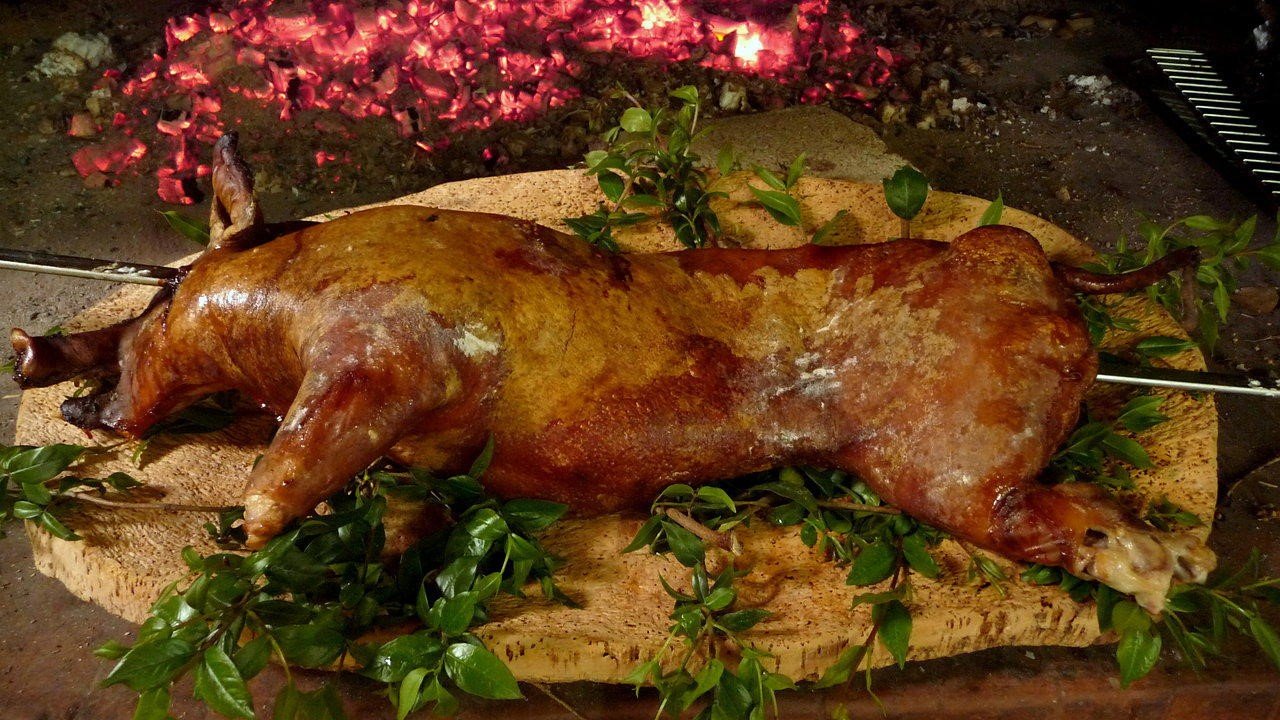
1. Porceddu – Roast Suckling Pig
This is Sardinia’s undisputed king of the table. A young pig (usually 4-6 kg) roasted whole over an open fire or in a wood oven, seasoned simply with salt, pepper, rosemary, and myrtle branches for that signature smoky aroma.
The skin turns golden-crisp while the meat stays juicy and tender—almost melting. It’s the centerpiece at weddings, festivals, and Sunday lunches. I remember my first taste at an agriturismo in the Barbagia hills; the crackle of skin, the herbal smoke, and the communal joy around the table made it unforgettable. Pair it with Cannonau red wine for the full experience.
Pros: Intense flavor, social dish perfection.
Cons: Not vegetarian-friendly; heavy if you’re not used to rich meats.
2. Culurgiones
These handmade ravioli from Ogliastra look like little ears of wheat—a symbol of harvest and prosperity. The dough is semolina and water (no eggs here), filled with mashed potato, pecorino cheese, mint, and sometimes a touch of garlic or onion.
Boiled and sauced lightly with tomato or just butter and sage, they offer creamy comfort with a fresh herbal kick. Every village tweaks the recipe slightly, so tasting them in different spots feels like a treasure hunt. During Carnevale, sweet versions appear with ricotta and honey—pure joy.
3. Malloreddus alla Campidanese
Sardinian “gnocchi” made from semolina, ridged by rolling over a basket weave for sauce grip. The classic alla campidanese sauce features pork sausage, tomato, fennel seeds, and a splash of Vernaccia wine, finished with grated pecorino.
It’s rustic, spicy, and deeply satisfying—born as a poor man’s meal but now a restaurant staple. The chew of the pasta against the chunky ragù is addictive.
4. Fregola con Arselle (or Seafood)
Fregola is toasted semolina pearls, like giant couscous, hand-rolled and sun-dried traditionally. The most famous version is with clams (arselle), saffron, garlic, and parsley, creating a brothy, golden dish.
Coastal spots might add shrimp or mussels. The toasty flavor of the fregola soaks up the briny sea essence beautifully. It’s light yet flavorful—perfect summer eating.
5. Pane Carasau
The island’s iconic flatbread: paper-thin, crisp, double-baked sheets of semolina, water, and salt. Known as “carta da musica” for the crackling sound when broken.
Shepherds carried it for months without spoiling. Eat it plain, drizzled with oil, or layered in dishes. It’s the unsung hero holding everything together.
6. Bottarga
Cured mullet roe, grated over spaghetti or shaved thin. Sardinia’s “Mediterranean caviar”—salty, umami-rich, with a subtle fishy depth.
From Cabras lagoon area, it’s grated fresh for maximum punch. A little goes far; too much and it’s overwhelming. Spaghetti con bottarga is minimalist perfection: pasta, olive oil, bottarga, maybe lemon zest.
7. Pecorino Sardo
Sharp sheep’s milk cheese, aged from fresh to hard. Fiore Sardo is the smoked, intense version; younger ones are milder.
Grated over pasta, eaten with bread and honey, or solo. It’s PDO-protected and a huge part of the economy. The tang cuts through rich dishes like nothing else.
8. Seadas (or Sebadas)
Fried pastries filled with melted pecorino (or young cheese), drizzled with bitter honey (often corbezzolo). Sweet-savory heaven.
Crispy outside, gooey inside—the honey tempers the cheese’s sharpness. Dessert or snack? Both. Addictive at festivals.
9. Pane Frattau
Layers of pane carasau soaked in broth, topped with tomato sauce, pecorino, and poached egg—like deconstructed lasagna.
A shepherd’s quick meal turned elegant. Comforting, simple, and genius in its use of stale bread.
10. Zuppa Gallurese
From Gallura region: pane carasau layered with pecorino and lamb broth, baked until bubbly and golden.
It’s “soup” but more like cheesy bread casserole. Hearty winter warmer that shows off the island’s resourcefulness.
| Dish | Origin/Region | Key Ingredients | Best Paired With | Must-Try Spot Suggestion |
|---|---|---|---|---|
| Porceddu | Island-wide | Suckling pig, myrtle, rosemary | Cannonau wine | Agriturismo in Barbagia |
| Culurgiones | Ogliastra | Potato, pecorino, mint | Tomato sauce | Local festa in Tortolì |
| Malloreddus | Campidano | Semolina pasta, sausage ragù | Pecorino | Cagliari restaurants |
| Fregola | Coastal | Toasted semolina, clams/saffron | Vermentino white | Oristano area |
| Pane Carasau | Everywhere | Semolina, salt | Olive oil & cheese | Any bakery |
| Bottarga | Cabras | Mullet roe | Spaghetti | Western coast |
| Pecorino Sardo | Island-wide | Sheep milk | Bread/honey | Cheese producers |
| Seadas | Various | Cheese, honey | Mirto liqueur | Pastry shops |
| Pane Frattau | Central | Carasau, tomato, egg | Red wine | Home-style eateries |
| Zuppa Gallurese | Gallura | Bread, cheese, broth | Cannonau | Northern Sardinia |
People Also Ask (PAA)
What is traditional Sardinian food known for?
It’s famous for longevity-promoting simplicity—whole grains, sheep cheese, wild herbs, lean meats, and seafood. Blue Zone status comes from balanced, local eating with lots of walking.
Is Sardinian cuisine different from Italian?
Yes—less tomato-heavy, no eggs in pasta dough, emphasis on sheep products and unique breads. Influences from Spain (lobster alla catalana) and North Africa show up too.
What is the most famous dish in Sardinia?
Porceddu often tops lists, but culurgiones and malloreddus fight for the title among pasta lovers.
What cheese is Sardinia famous for?
Pecorino Sardo—sharp, versatile, and PDO. Avoid confusing it with Romano, which is similar but produced elsewhere too.
Where to eat authentic Sardinian food?
Agriturismi (farm stays) for home-cooked meals, sagre (food festivals), or family-run trattorie away from tourist strips. Cagliari, Alghero, and Nuoro have great options.
Sardinia’s table is about more than food—it’s connection. Sharing porceddu with strangers who become friends over wine, or learning to braid culurgiones from a nonno’s hands. The flavors linger, but the warmth stays longer. If you visit, eat slowly, ask questions, and savor every bite. Your taste buds (and maybe your lifespan) will thank you.