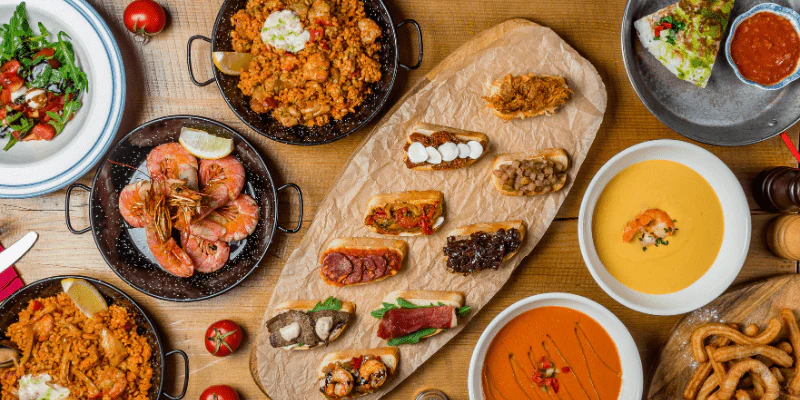
The sun-drenched region of Andalusia, in southern Spain, isn’t just about flamenco, whitewashed villages, and the Alhambra—it’s a paradise for anyone who eats to live and lives to eat. I’ve wandered its streets from Seville’s bustling tapas bars to Málaga’s beachside chiringuitos, and let me tell you, the food here tells the story of centuries: Moorish spices blending with Roman influences, fresh Atlantic seafood meeting inland mountain meats, all tied together with that incredible Andalusian olive oil. If you’re planning a trip (or just dreaming of one), these 17 foods and drinks capture the essence of the region. They’re not just dishes; they’re experiences that stick with you long after the plate is cleared.
Andalusia’s cuisine thrives on seasonality, freshness, and simplicity—think sun-ripened tomatoes, briny sea catches, and acorn-fed pigs turned into legendary ham. The region’s eight provinces each add their twist, but these standouts appear across the board. Let’s dive in.
1. Gazpacho
This chilled tomato soup is the ultimate Andalusian refresher on scorching summer days. Blended from ripe tomatoes, cucumbers, bell peppers, garlic, olive oil, and a splash of sherry vinegar, it’s served ice-cold, often in a glass or bowl with a drizzle of extra oil on top.
I remember my first bowl in Córdoba during a heatwave—it felt like the soup was cooling me from the inside out. Light yet packed with flavor, it’s both humble and elegant, a perfect starter or even a light lunch.
2. Salmorejo
Córdoba’s thicker, creamier cousin to gazpacho steals the show for many visitors. Made primarily from tomatoes, bread, garlic, and olive oil, it’s garnished with chopped hard-boiled egg and thin slices of jamón ibérico.
The texture is silky, almost like a cold gazpacho vichyssoise, and that salty ham contrast is addictive. One spoonful in a tiny plaza bar, and you’ll understand why locals argue over the “best” version.
3. Jamón Ibérico de Bellota
Often called the world’s finest ham, this comes from black Iberian pigs fed on acorns in the dehesa woodlands of Huelva and Jabugo. Thinly sliced, it melts on your tongue with nutty, sweet notes.
Picture hanging legs in a bodega, the air thick with that rich aroma—it’s pure luxury. Pair it with a fino sherry, and it’s heaven. I’ve stood at counters watching the jamonero carve it paper-thin, mesmerized every time.
4. Pescaíto Frito (Fried Fish)
Andalusia’s coastal obsession: a mix of small fish and seafood like anchovies, squid, and whitebait, lightly battered and deep-fried in olive oil until golden and crisp.
Squeeze lemon over it, grab a cold beer, and eat with your hands on the beach. In Cádiz or Málaga, it’s street food perfection—no fuss, just pure crunch and sea flavor.
5. Espetos de Sardinas
Skewered sardines grilled over an open fire on the beach, especially iconic in Málaga. The fish are threaded onto sugarcane or metal rods and cooked right over embers for smoky char.
The skin crisps up, the flesh stays juicy—simple, primal, and best eaten with fingers while the waves crash. I once had them at sunset in a chiringuito; nothing beats that salty smoke with cold tinto de verano.
6. Tortilla Española
Not to be confused with Mexican tortillas, this thick potato-and-egg omelette is a Spanish staple, but in Andalusia, it’s often served as a tapa with onions for sweetness.
Fluffy yet firm, it’s versatile—hot or cold, alone or in a bocadillo. Seville bars pile them high; one bite, and you get why it’s a go-to.
7. Rabo de Toro (Oxtail Stew)
Slow-braised oxtail in red wine with vegetables, herbs, and spices—tender meat falls off the bone in a rich, flavorful sauce.
A hearty inland dish from Córdoba and Seville, it’s comfort food at its best, especially in cooler months. The first time I tried it, I was hooked on the depth of flavor.
8. Tapas (The Culture and Classics)
Tapas aren’t just food in Andalusia—they’re a way of life. Small plates shared with friends, often free with drinks in Granada.
Classics include espinacas con garbanzos (spinach with chickpeas), boquerones fritos (fried anchovies), and croquetas. Hop bar to bar in Seville’s Triana neighborhood; it’s social, delicious chaos.
9. Tortillitas de Camarones
Cádiz specialty: crispy shrimp fritters made with tiny whole prawns in a light chickpea batter.
Light, salty, and addictive—perfect with a manzanilla sherry. Beachside in Sanlúcar, they’re legendary.
10. Ajoblanco
Chilled white gazpacho from almonds, garlic, bread, olive oil, and grapes or melon. Creamy, garlicky, and refreshing.
A Moorish legacy, it’s less known but a hidden gem, especially in Málaga summers.
11. Carrillada Ibérica (Pork Cheeks)
Braised pork cheeks until melt-in-your-mouth tender, often in sherry or red wine sauce.
Rich and succulent, a favorite in Seville and Córdoba—pure comfort.
12. Piononos de Granada
Sweet rolled sponge cakes soaked in syrup, topped with egg yolk custard—Granada’s convent confection.
Named after Pope Pius IX, they’re indulgent yet light.
13. Sherry (Vino de Jerez)
From Jerez de la Frontera: fino (dry, light), oloroso (nutty), Pedro Ximénez (sweet).
Andalusia’s wine star—try a fino with seafood or PX with dessert.
14. Tinto de Verano
Red wine mixed with lemon-lime soda or gaseosa—refreshing summer drink.
Simpler than sangria, it’s everywhere in hot weather.
15. Sangria
Fruity red wine punch with citrus, sometimes brandy—cool and shareable.
A crowd-pleaser on terraces.
16. Churros con Chocolate
Fried dough sticks with thick hot chocolate for dipping—breakfast or late-night treat.
In Granada or Seville churrerías, they’re crispy outside, soft inside.
17. Olives and Aceitunas
Marinated or cracked green olives, often with garlic or herbs—simple tapa.
Andalusia’s olive groves produce world-class oil and table olives.
Comparison: Gazpacho vs. Salmorejo
| Aspect | Gazpacho | Salmorejo |
|---|---|---|
| Texture | Thin, drinkable | Thick, spoonable |
| Main Ingredients | Tomatoes, cucumber, pepper, bread | Tomatoes, bread, garlic, oil |
| Garnishes | Croutons, veggies | Egg, jamón |
| Origin | Widespread Andalusia | Córdoba specifically |
| Best For | Hot days, light refreshment | Hearty cold starter |
Both are cold tomato soups, but salmorejo feels more indulgent.
Pros and Cons of Trying Andalusian Tapas Culture
Pros
- Affordable way to sample variety
- Social and fun—eat bar-hopping
- Fresh, seasonal ingredients
- Often free tapas with drinks in Granada
Cons
- Can lead to overeating (easy to keep going!)
- Some bars get crowded
- Portions small—order multiple
People Also Ask
What is the most famous food in Andalusia?
Jamón ibérico and gazpacho top the list, but tapas culture defines the region.
What drink is Andalusia known for?
Sherry from Jerez, especially fino and manzanilla.
Is Andalusian food spicy?
Not typically—flavors lean fresh, garlicky, and herby rather than hot.
What is the best city for food in Andalusia?
Seville for tapas variety, Málaga for seafood, Córdoba for salmorejo.
Are there vegetarian options in Andalusian cuisine?
Yes—gazpacho, ajoblanco, espinacas con garbanzos, and many vegetable tapas.
FAQ
Is gazpacho served everywhere in Andalusia?
Yes, it’s a staple, though variations like salmorejo are regional.
Where can I try authentic jamón ibérico?
Huelva or Jabugo areas for the real deal, or any good tapas bar.
What’s the difference between fino and manzanilla sherry?
Manzanilla is a lighter, salty fino aged by the sea in Sanlúcar.
Do I need to tip in Andalusian restaurants?
Not obligatory—round up or leave small change if service is great.
Best time to visit for food festivals?
Spring and fall for fewer crowds; many towns have tapas or sherry events year-round.
Andalusia’s food scene rewards the curious eater. Slow down, share plates, sip sherry, and let the flavors unfold. One trip, and you’ll be plotting your return before the plane even lands. Buen provecho!