Sicilian cuisine is one of the most vibrant and layered in the world. It’s not just Italian food—it’s a living history book on a plate. Over centuries, invaders and settlers left their marks: the Greeks brought olives and wine, the Arabs introduced citrus, sugar, saffron, and sweet-savory combos, the Normans added hearty meats, and the Spanish tossed in tomatoes later on. The result? Dishes that balance bold flavors like eggplant’s earthiness with raisins’ sweetness, pine nuts’ crunch, and capers’ tang. Growing up hearing stories from family friends who traced roots to Palermo, I remember the first time I tried homemade caponata—that sweet-sour explosion changed how I think about vegetables.
This island’s food celebrates what’s fresh and local: seafood from surrounding waters, volcanic soil-grown produce, and sheep’s milk ricotta. Meals feel communal, whether it’s a street snack or a long Sunday lunch. Let’s dive into what makes Sicilian cooking so special, from classics to menu ideas that bring the island home.
The Unique Flavors and Influences of Sicilian Cuisine
Sicily sits at the crossroads of the Mediterranean, so its cuisine fuses Greek, Arab, Norman, Spanish, and Italian elements. Arab rule from the 9th to 11th centuries transformed farming with irrigation, introducing citrus, rice, almonds, and spices like cinnamon and saffron. This shows up in sweet-savory dishes.
Greek and Roman roots emphasize olive oil, herbs, and seafood. Normans boosted meat and dairy. Later influences added tomatoes and chocolate. The outcome is cuisine that’s fresh, seasonal, and resourceful—using humble ingredients in extraordinary ways.
Iconic Sicilian Appetizers and Street Foods
Sicilian meals often start with small bites that pack big flavor. Street food thrives here, from Palermo markets to Catania vendors.
Arancini (or arancine in western Sicily) are fried rice balls stuffed with ragù, peas, and cheese—or variations like pistachio or butter. Crispy outside, creamy inside, they’re perfect grab-and-go.
Caponata is a sweet-sour eggplant stew with celery, olives, capers, tomatoes, and sometimes pine nuts or raisins. It’s served at room temp as an antipasto.
Panelle are chickpea flour fritters, often in a sesame bun with a squeeze of lemon—simple, addictive street food.
Sfincione is thick Sicilian pizza with onion, anchovies, breadcrumbs, and tomato. It’s spongy and bold, a holiday favorite.
These starters highlight Sicily’s love for fritters and preserved flavors.
Classic Sicilian Pasta Dishes
Pasta is central, but Sicilian versions stand apart with seafood, veggies, and unique sauces.
Pasta alla Norma from Catania honors Bellini’s opera with fried eggplant, tomato sauce, basil, and grated ricotta salata. The eggplant mimics the heroine’s drama—rich and satisfying.
Pasta con le sarde mixes sardines, wild fennel, raisins, pine nuts, saffron, and toasted breadcrumbs. It’s Palermo’s signature—sweet, salty, aromatic.
Pasta alla Trapanese blends raw tomatoes, almonds, garlic, basil, and olive oil into a pesto-like sauce. Fresh and summery.
Busiate al pesto trapanese uses twisted busiate pasta with the same sauce.
These pastas use pantry staples creatively.
Seafood and Fish Specialties
With miles of coastline, seafood shines.
Pesce spada alla ghiotta (swordfish in “greedy” style) simmers in tomato, olives, capers, and herbs—tender and tangy.
Involtini di pesce spada are swordfish rolls stuffed with breadcrumbs, pine nuts, raisins, and cheese, grilled or baked.
Sarde a beccafico stuffs sardines with breadcrumbs, pine nuts, raisins, and lemon, baked like little birds.
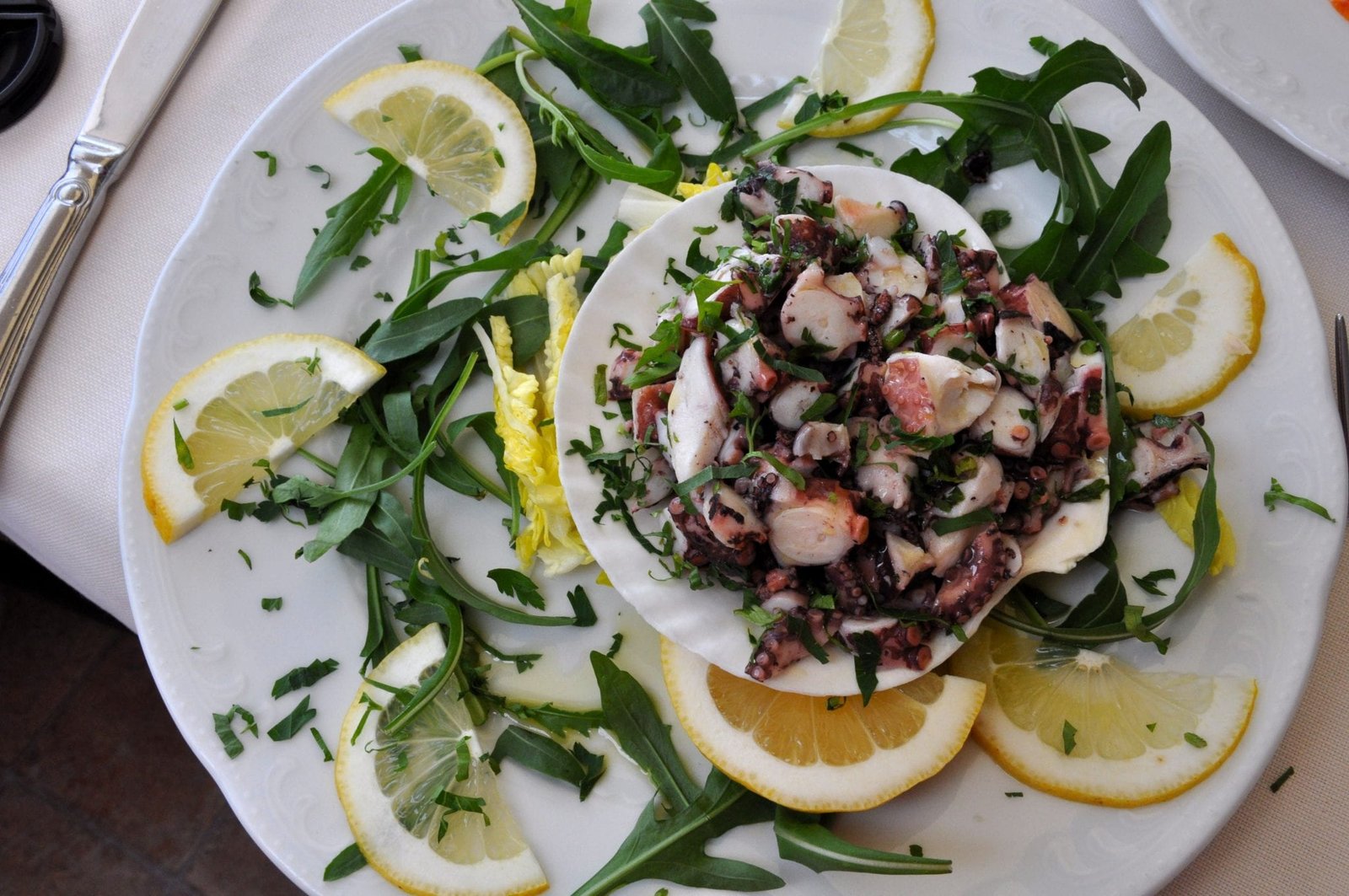
Fresh tuna or octopus appear in salads or stews. Seafood is grilled simply or stewed with bold flavors.
Meat and Vegetable Mains
Meat takes a backseat to veggies and fish, but when featured, it’s flavorful.
Parmigiana di melanzane layers fried eggplant, tomato sauce, cheese, and basil—comfort food at its best.
Involtini siciliani are veal or beef rolls with prosciutto, cheese, and herbs.
Polpette (meatballs) often include raisins and pine nuts for sweetness.
Vegetables star in caponata or stuffed artichokes.
Desserts and Sweets
Sicilian sweets are legendary—rich, creamy, often ricotta-based.
Cannoli feature crisp shells filled with sweetened ricotta, candied fruit, chocolate chips, and pistachios. The shell stays crunchy when filled fresh.
Cassata siciliana is a sponge cake layered with ricotta cream, marzipan, and candied fruit—colorful and decadent.
Granita is shaved ice flavored with lemon, almond, or coffee, often with brioche for breakfast.
Biscotti regina are sesame cookies—simple and addictive.
Pistachios from Bronte feature heavily in modern treats.
Sample Sicilian Menus for Home
Bring Sicily home with these menus.
Family Sunday Lunch (Relaxed, Traditional)
- Antipasto: Caponata and panelle
- Primo: Pasta con le sarde
- Secondo: Pesce spada alla ghiotta with grilled veggies
- Contorno: Insalata di arance (orange salad with olives)
- Dolce: Cannoli
- Drink: Local red like Nero d’Avola
Dinner Party Menu (Impressive Yet Doable)
- Starter: Arancini platter
- Pasta: Pasta alla Norma
- Main: Involtini di pesce spada
- Side: Eggplant parmigiana
- Dessert: Cassata or granita affogato
- Wine: Etna bianco or rosso
Quick Weeknight Sicilian Meal
- Pasta Trapanese
- Caponata as side
- Fresh fruit or ricotta with honey
These menus balance flavors and keep prep manageable.
Comparison: Eastern vs. Western Sicilian Cuisine
Sicily’s east and west differ slightly.
- Eastern (Catania, Siracusa): More Greek influence, focus on eggplant (Pasta alla Norma), horse meat in some areas, cone-shaped arancini.
- Western (Palermo, Trapani): Stronger Arab roots, couscous, pasta con le sarde, round arancini, street foods like pani ca meusa.
Both share staples but vary in emphasis—east veggie-heavy, west more seafood and spices.
Pros and Cons of Cooking Sicilian at Home
Pros
- Fresh, seasonal ingredients
- Bold, balanced flavors
- Versatile for vegetarians
- Many dishes improve overnight
Cons
- Frying (arancini, eggplant) can be messy
- Hard-to-find items like wild fennel or fresh ricotta
- Time-intensive for layered dishes
Overall, rewards outweigh effort.
People Also Ask
What makes Sicilian cuisine different from mainland Italian food?
Sicilian food blends Arab, Greek, and Norman influences with sweet-savory combos, citrus, seafood, and veggies—unlike butter-heavy northern or pork-focused central Italian styles.
What is the most famous Sicilian dish?
Arancini and cannoli top the list, but caponata and pasta alla Norma are everyday favorites.
Is Sicilian food spicy?
Not usually—heat comes from red pepper flakes, but flavors lean sweet, sour, salty.
What desserts are typical in Sicily?
Cannoli, cassata, granita, and almond-based sweets dominate.
Can I make authentic Sicilian food without special ingredients?
Yes—substitute wild fennel with regular, or use store-bought ricotta. Freshness matters most.
FAQ
What are the key ingredients in Sicilian cooking?
Eggplant, tomatoes, citrus, sardines, swordfish, ricotta, almonds, pine nuts, raisins, capers, olives, saffron.
How do I make cannoli shells at home?
Use a dough of flour, sugar, butter, marsala wine; roll thin, wrap around tubes, fry until crisp. Fill with ricotta just before serving.
What’s a good beginner Sicilian recipe?
Start with caponata—sauté veggies, add agrodolce sauce, let marinate. It’s forgiving and tastes better next day.
Is Sicilian cuisine healthy?
Mostly yes—Mediterranean base with olive oil, fish, veggies. Fried items like arancini are treats.
Where can I find authentic Sicilian recipes online?
Sites like Cooking with Nonna or Serious Eats offer tested versions—cross-reference with traditional sources.
Sicilian food invites you to slow down, savor contrasts, and share with others. It’s resourceful, flavorful, and full of stories. Next time you cook, channel a bit of that island spirit—the results might transport you straight to a sun-drenched piazza. Buon appetito!