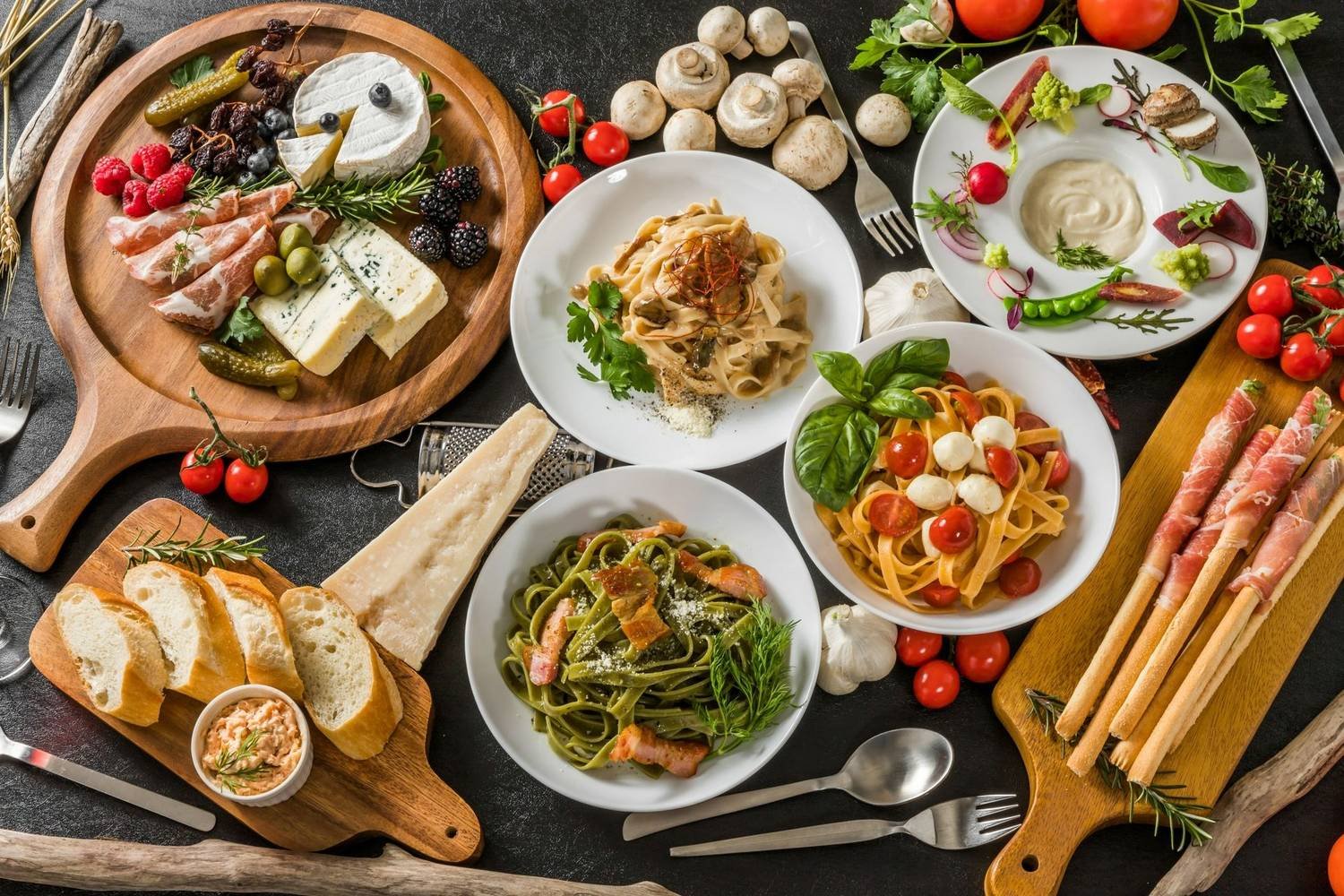
Sardinia isn’t just another Italian island with stunning beaches and ancient ruins—it’s a place where food feels like a direct link to thousands of years of history. I’ve wandered its rugged interior and coastal villages, sitting at long tables with locals who treat every meal like a small celebration. The cuisine here stands apart from mainland Italy: it’s hearty yet simple, rooted in what the land and sea provide without much fuss. Shepherds, fishermen, and farmers shaped it, using sheep’s milk cheeses, semolina pastas, wild herbs, and slow-roasted meats. One thing that always strikes me is how Sardinia ranks as a Blue Zone—people live remarkably long lives, partly thanks to this diet heavy on whole grains, veggies, legumes, and moderate portions of quality animal products. No ultra-processed stuff in sight.
Let’s dive into ten dishes you really shouldn’t miss. These aren’t just “recommended”—they’re the ones that make you understand why Sardinians are so proud of their table.
Pane Carasau: The Crunchy Foundation of Sardinian Meals
Pane carasau, often called “carta da musica” for its thin, crackly sheets that resemble music paper, is the island’s most iconic bread. Made from semolina flour, water, salt, and yeast, it’s baked twice until it’s crisp and golden. This double-baking keeps it fresh for months—perfect for shepherds who needed portable food.
You’ll find it everywhere, from breakfast with pecorino cheese to layered into other dishes. Its neutral flavor lets other ingredients shine, but drizzled with olive oil and a sprinkle of sea salt, it becomes addictive. I once broke off pieces straight from a massive wheel at a farm near Nuoro, and the sound alone was satisfying.
Culurgiones: Handmade Ravioli with a Wheat-Ear Twist
These stuffed pasta parcels hail from the Ogliastra region and look like little ears of wheat—each one braided by hand with impressive skill. The classic filling mixes boiled potatoes, fresh mint, and grated pecorino cheese, sometimes with a touch of garlic or onion depending on the village.
Served with a light tomato sauce or just butter and sage, they offer creamy comfort balanced by herbal brightness. During Carnevale, some families make sweet versions with ricotta, nuts, and honey. Making them takes patience; watching nonnas fold them is a lesson in tradition passed down through generations.
Malloreddus alla Campidanese: Sardinian Gnocchi in Rich Ragù
Malloreddus, also known as gnocchetti sardi, are small, ridged semolina dumplings shaped like tiny shells—hand-rolled and perfect for catching sauce. The alla Campidanese version comes from the Campidano plain, tossed in a hearty sausage ragù with fennel seeds, tomatoes, saffron hints, and topped with more pecorino.
It’s rustic comfort food at its best—warming, flavorful, and filling after a day hiking. The saffron nod ties back to Phoenician influences centuries ago. Pair it with a glass of Cannonau red wine, and you’ve got a meal that feels like home, even if it’s your first time.
Fregola con Arselle: Toasted Pasta Pearls from the Sea
Fregola is Sardinia’s unique take on pasta—tiny toasted semolina balls that look like giant couscous. Traditionally made by hand, rolling dough into crumbs and toasting them for nutty depth, it’s often cooked like risotto.
The most famous preparation is fregola con arselle (with clams), simmered in a garlicky, saffron-scented broth until the pearls soak up every bit of briny flavor. Coastal spots in Cagliari or Oristano serve it best. The texture contrast—chewy fregola against tender clams—makes it unforgettable. I remember slurping a bowl by the water in Alghero, feeling the sea breeze mix with the steam.
Porceddu: The Celebrated Roast Suckling Pig
Porceddu is arguably Sardinia’s most famous dish—a young suckling pig (around 4-6 kg) spit-roasted whole over myrtle wood or in a wood-fired oven. Seasoned simply with salt, pepper, and wild herbs like myrtle branches stuffed inside, the skin turns crackling crisp while the meat stays juicy and aromatic.
It’s reserved for feasts, weddings, or Sunday gatherings—never everyday eating. The ritual of carving it at the table adds to the magic. One Easter in a small inland village, I watched a family roast one over open flames; the smell drew everyone in like a magnet. It’s primal, delicious, and deeply tied to pastoral life.
Bottarga: Sardinia’s “Mediterranean Caviar”
Bottarga is cured mullet roe, salted, pressed, and air-dried into a firm block—often called Sardinia’s answer to caviar. Grated over spaghetti or fregola, it delivers an intense, salty, oceanic punch that transforms simple pasta into something luxurious.
Cabras on the west coast produces the best, from lagoons where mullet thrive. It’s an acquired taste for some, but once you love it, you crave it. Drizzle with olive oil and a squeeze of lemon—pure elegance from humble origins.
Seadas (or Sebadas): Sweet-Savory Fried Pastries
Seadas are large, fried pastries filled with melted pecorino cheese, then drizzled with bitter honey (usually from corbezzolo or strawberry tree). The contrast—crispy exterior, gooey salty cheese, and floral sweetness—is addictive.
They’re a dessert with ancient roots, originally a shepherd’s treat using leftover cheese. In Sardinia, honey isn’t just sweet; it’s medicinal and full of wildflower notes. Finish a meal with one, and you’ll understand why locals smile when they talk about them.
Zuppa Gallurese: Bread and Cheese “Soup” from the North
From Gallura in the north, this isn’t a liquid soup but a baked casserole of stale bread (often carasau), layers of pecorino or other cheeses, and lamb or meat broth poured over until absorbed. Baked until golden and bubbly, it resembles lasagna in texture.
It’s poor-man’s food turned hearty classic—comforting on chilly evenings. Variations include adding eggs or herbs. I tried it in a family agriturismo, and it felt like the ultimate hug from the kitchen.
Pane Frattau: Layered Bread “Lasagna” with Tomato and Egg
Another carasau-based dish, pane frattau stacks the crisp bread with tomato sauce, grated pecorino, and a poached or fried egg on top. Sometimes broth softens the layers for a soupier version.
It’s quick, satisfying, and showcases how Sardinians turn simple pantry items into something special. Perfect for a light lunch or when you’re craving homey flavors without heaviness.
Pecorino Sardo: The Cheese That Ties It All Together
Not a single dish but the star ingredient in most—Pecorino Sardo DOP is sheep’s milk cheese, aged from fresh to hard, sharp varieties. Fiore Sardo is the smoked, aged version with a distinctive rind.
Grated over pasta, eaten with bread, or paired with honey and fruit, it’s nutty, tangy, and essential. Sardinia produces more pecorino than anywhere else in Italy—try it young and creamy or mature and crumbly.
A Quick Comparison: Land vs. Sea Dishes
Sardinian food splits naturally between pastoral inland traditions and coastal seafood influences.
| Category | Inland/Land Dishes | Coastal/Sea Dishes | Key Difference |
|---|---|---|---|
| Main Proteins | Lamb, pork (porceddu), game | Clams, sea urchins, bottarga, lobster | Meat-heavy vs. briny seafood |
| Starches | Malloreddus, culurgiones, bread | Fregola, spaghetti | Dumplings/ravioli vs. toasted pearls |
| Flavors | Herbs (mint, myrtle), pecorino | Saffron, garlic, lemon | Earthy/herbal vs. oceanic/acidic |
| Occasion | Feasts, family gatherings | Everyday or market-fresh | Celebratory vs. quick & light |
Inland dishes feel heartier for cold mountain nights, while sea ones highlight Mediterranean freshness.
Pros and Cons of Sardinian Cuisine
Pros:
- Extremely fresh, local ingredients with minimal processing.
- Ties to longevity (Blue Zone diet).
- Unique flavors you won’t find elsewhere.
- Simple recipes that highlight quality over complexity.
Cons:
- Limited vegetarian options in traditional meat-heavy meals.
- Some dishes (like bottarga or porceddu) are acquired tastes.
- Availability outside Sardinia can be spotty.
- Portions can be generous—pace yourself!
People Also Ask (PAA)
What makes Sardinian cuisine different from other Italian regions?
It’s more isolated and pastoral—fewer tomatoes, more sheep products, unique pastas like fregola and malloreddus, and strong influences from ancient civilizations rather than mainland trends.
Is Sardinian food healthy?
Yes, largely—it’s Mediterranean diet core with whole grains, veggies, legumes, olive oil, and moderate meat/seafood. Blue Zone status in areas like Ogliastra points to longevity benefits.
Where can I try authentic porceddu in Sardinia?
Look for agriturismi or family-run trattorias in the interior (Barbagia, Nuoro areas). Avoid touristy spots; ask locals for “porceddu a su spiedo.”
What’s the best time to eat sea urchins in Sardinia?
November to April during the season—fresh ricci di mare are a delicacy, often raw with bread or in pasta.
FAQ
What is the most famous Sardinian dish?
Porceddu (roast suckling pig) tops the list for many—it’s symbolic of celebrations and pastoral heritage.
Are there vegetarian options in traditional Sardinian cuisine?
Yes—pane carasau with cheese, culurgiones (often meat-free), fregola with veggies, or pecorino with honey. Many pastas skip meat ragù.
What wine pairs best with Sardinian food?
Cannonau (Grenache) reds for meats and pastas; Vermentino whites for seafood. Both are local and excellent.
Is casu marzu safe to eat?
This infamous maggot-infested cheese is controversial and illegal in many places—most visitors skip it for safety reasons.
Can I find these dishes outside Sardinia?
Some like pecorino or bottarga are exported, but true handmade versions shine on the island. Seek specialty Italian shops or Sardinian restaurants.
Sardinia’s food isn’t flashy—it’s honest, tied to the land, and meant to be shared. Next time you’re there, slow down, sit at a long table, and let the flavors tell their stories. You’ll leave fuller in every sense.