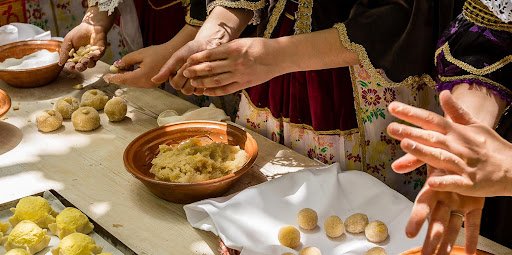
Sardinia’s food scene hits different. It’s not just Italian—it’s rugged, ancient, tied to shepherds trekking mountains, fishermen hauling in the day’s catch, and families gathering around long tables for feasts that feel like they’ve been happening the same way for centuries. The island’s isolation helped keep traditions pure: think simple ingredients elevated by time and technique, heavy on sheep’s milk cheese, wild herbs, handmade pasta, and meats roasted over open fires.
I’ve been lucky enough to visit a few times, wandering from the Costa Smeralda’s fancy spots to inland agriturismi where the owner slaughters the pig that morning. The first time I bit into a perfectly roasted porceddu, skin crackling like parchment, meat falling off the bone, I got why locals call it a celebration on a plate. Sardinian cuisine rewards the patient eater—nothing flashy, but every bite tells a story of the land.
If you’re planning a trip, prioritize these top 10 Sardinian dishes. They’re the ones that keep showing up on “must-try” lists from TasteAtlas rankings to local recommendations, blending land and sea in ways that feel uniquely Sardinian.
1. Porceddu (Roast Suckling Pig)
Porceddu stands as Sardinia’s undisputed king of meats. A young pig—usually under 40 days old, weighing 4-6 kg—is seasoned with salt, pepper, garlic, rosemary, and myrtle branches, then slow-roasted on a spit for hours until the skin turns golden and crispy while the inside stays impossibly juicy.
This dish screams festivity. Traditionally prepared for weddings, holidays, or big gatherings, it’s often the centerpiece at an agriturismo. The myrtle adds a subtle, resinous note that pairs perfectly with Cannonau red wine.
Where to try it: Head to inland spots like Barbagia or an agriturismo in Nuoro province. Avoid tourist traps—seek places where they cook it traditionally over wood fire.
Pros: Melt-in-your-mouth tender, rich flavor from slow roasting.
Cons: Heavy and rich—save room, or share with friends.
2. Culurgiones (Sardinian Ravioli)
These handmade dumplings, shaped like wheat ears (a nod to harvest traditions), come from Ogliastra in eastern Sardinia. The filling mixes mashed potatoes, fresh pecorino, mint, and sometimes garlic or onion, sealed with an intricate braided edge.
Served with a simple tomato sauce or just butter and sage, they offer creamy comfort balanced by herbal brightness. During Carnevale, sweet versions appear with ricotta, nuts, and honey.
I once watched a nonna in a tiny village fold hundreds by hand—mesmerizing skill passed down generations.
3. Malloreddus alla Campidanese
Malloreddus—small, ridged semolina gnocchi often called Sardinian gnocchetti—get their grooves from pressing dough against a wicker basket. The classic alla Campidanese sauce features pork sausage ragù with tomatoes, wild fennel, and a splash of Vernaccia wine, finished with grated pecorino.
Born as a peasant dish in the Campidano plain, it’s now a staple. The ridges hold the sauce beautifully, making every forkful packed with flavor.
Pair it with a glass of Cannonau—the acidity cuts through the richness perfectly.
4. Fregola con Frutti di Mare (or Seafood Fregola)
Fregola is toasted semolina pasta pearls, hand-rolled and sun-dried, giving a nutty taste. The seafood version simmers with clams, mussels, shrimp, saffron, and tomatoes, sometimes garlic and parsley.
This dish highlights Sardinia’s coast—fresh catch from clear waters. Saffron (a Phoenician legacy) adds golden color and subtle earthiness.
Best spots: Cagliari or coastal towns like Alghero. Eat it seaside for maximum freshness.
5. Pane Carasau (and Variations like Pane Frattau or Pane Guttiau)
Pane carasau, aka “carta da musica” for its thin, crackly sheets, is twice-baked semolina flatbread that shepherds carried for weeks. Plain or brushed with oil and salt (pane guttiau), or layered with tomato sauce, pecorino, and egg (pane frattau).
It’s versatile—snack, base for meals, or crumbled into soups. The crunch is addictive.
A simple breakfast of pane carasau with pecorino and honey feels like pure Sardinia.
6. Pecorino Sardo (and Fiore Sardo)
Sheep outnumber people here, so pecorino rules. Pecorino Sardo DOP comes young (dolce) or aged (maturo), sharp and salty. Fiore Sardo, smoked over juniper, has a bolder, smoky edge.
Grate it over pasta, eat it straight with bread, or pair with figs. It’s PDO-protected—real stuff only from Sardinian sheep.
Fun fact: Sardinia produces some of Europe’s best sheep cheeses, thanks to wild pastures.
7. Bottarga (Grated or Sliced)
Bottarga di muggine—cured mullet roe, salted, pressed, and air-dried—is the “black gold” of Sardinia. Grated over spaghetti with olive oil and lemon, or sliced thin with bread.
It delivers intense, briny umami—like sea-flavored Parmesan. Mullet roe from Cabras lagoon is legendary.
Start small if new to it—powerful stuff.
8. Seadas (or Sebadas)
These fried pastries hide a core of fresh pecorino (or ricotta in some versions), drizzled with bitter honey. The cheese melts gooey inside the crisp shell, honey cutting the richness.
A sweet-savory dessert born from shepherds using leftover cheese. Often served warm—irresistible.
Where: Bakeries in Nuoro or at agriturismi after dinner.
9. Spaghetti con Ricci di Mare (Sea Urchin Pasta)
Fresh sea urchins (ricci) scooped raw or lightly cooked, tossed with spaghetti, olive oil, garlic, and parsley. The roe is creamy, oceanic—pure taste of the Mediterranean.
Seasonal (best winter-spring). Eat in coastal spots like Carloforte or Alghero.
A bit adventurous, but once you try it, you’ll crave that briny sweetness.
10. Zuppa Gallurese
From Gallura in the north, this “soup” layers carasau bread with pecorino and lamb broth, baked until cheesy and set—like a savory bread pudding.
Comfort food at its finest, using humble ingredients. Often includes herbs or sausage.
Perfect for cooler evenings inland.
Comparison Table: Land vs. Sea Dishes
| Dish | Origin/Style | Key Ingredients | Best For | Difficulty to Find Outside Sardinia |
|---|---|---|---|---|
| Porceddu | Inland/Meat | Suckling pig, myrtle | Celebrations | High |
| Culurgiones | Eastern/Pasta | Potato, pecorino, mint | Comfort food | Medium |
| Malloreddus | Southern/Pasta | Sausage ragù | Hearty meals | Medium |
| Fregola Seafood | Coastal/Pasta | Seafood, saffron | Light yet rich | High |
| Bottarga Pasta | Coastal/Pasta | Mullet roe | Umami bomb | Medium-High |
| Sea Urchin Spaghetti | Coastal | Sea urchin roe | Adventurous | Very High |
People Also Ask (PAA) Section
What is the most famous food in Sardinia?
Porceddu (roast suckling pig) tops the list—it’s iconic, often called Sardinia’s national dish for its role in feasts.
What is traditional Sardinian pasta?
Handmade shapes like culurgiones (potato-filled ravioli), malloreddus (ridged gnocchi), and fregola (toasted pearls) dominate, using semolina and local fillings.
Is Sardinian food spicy?
Not really—flavors lean herbal, salty, briny from cheeses, seafood, and wild fennel. Heat is rare.
What cheese is Sardinia famous for?
Pecorino Sardo, made from sheep’s milk, in young or aged forms. Fiore Sardo adds smoke for extra depth.
What dessert should I try in Sardinia?
Seadas (fried cheese pastries with honey) for sweet-savory, or pardulas (ricotta tarts) for something lighter.
FAQ
Is Sardinian food vegetarian-friendly?
Somewhat—pasta like culurgiones or malloreddus can be adapted, pane carasau with cheese, and pecorino shine. But meat and seafood dominate traditional menus.
Where can tourists find authentic Sardinian food?
Agriturismi (farm stays) offer the real deal—home-cooked, seasonal. Avoid big resorts; seek family-run spots in villages.
What wine pairs best with Sardinian dishes?
Cannonau (a bold red) for meats and pastas; Vermentino (crisp white) for seafood.
Are there any unique Sardinian ingredients hard to find elsewhere?
Myrtle for seasoning, bottarga, fresh pecorino, and wild fennel—Sardinia’s terroir makes them special.
Sardinia isn’t about fancy plating—it’s honest food that connects you to the island’s soul. Eat slow, share plates, wash it down with local wine, and let the stories unfold. Your trip won’t be the same without these dishes. Buon appetito—and safe travels!